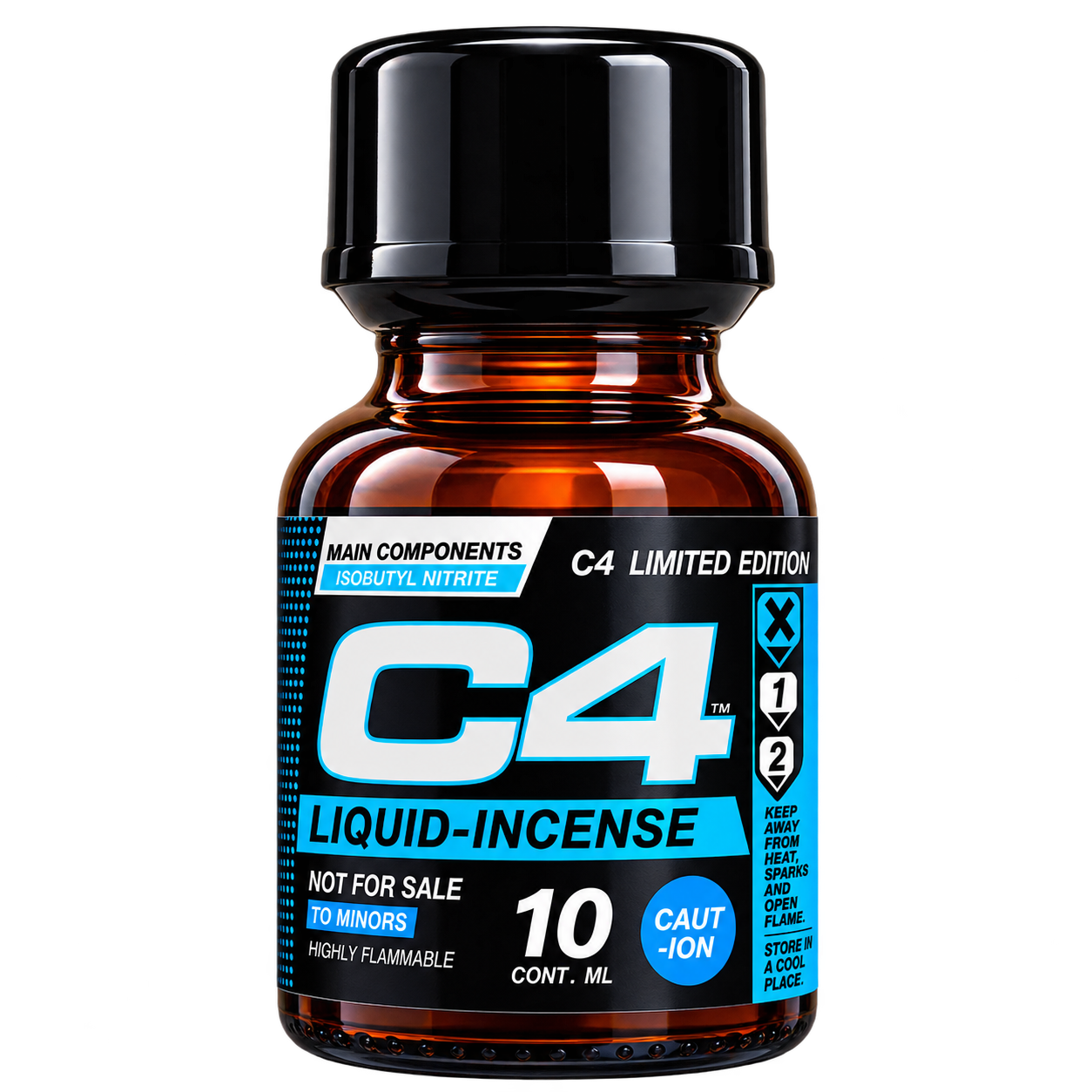
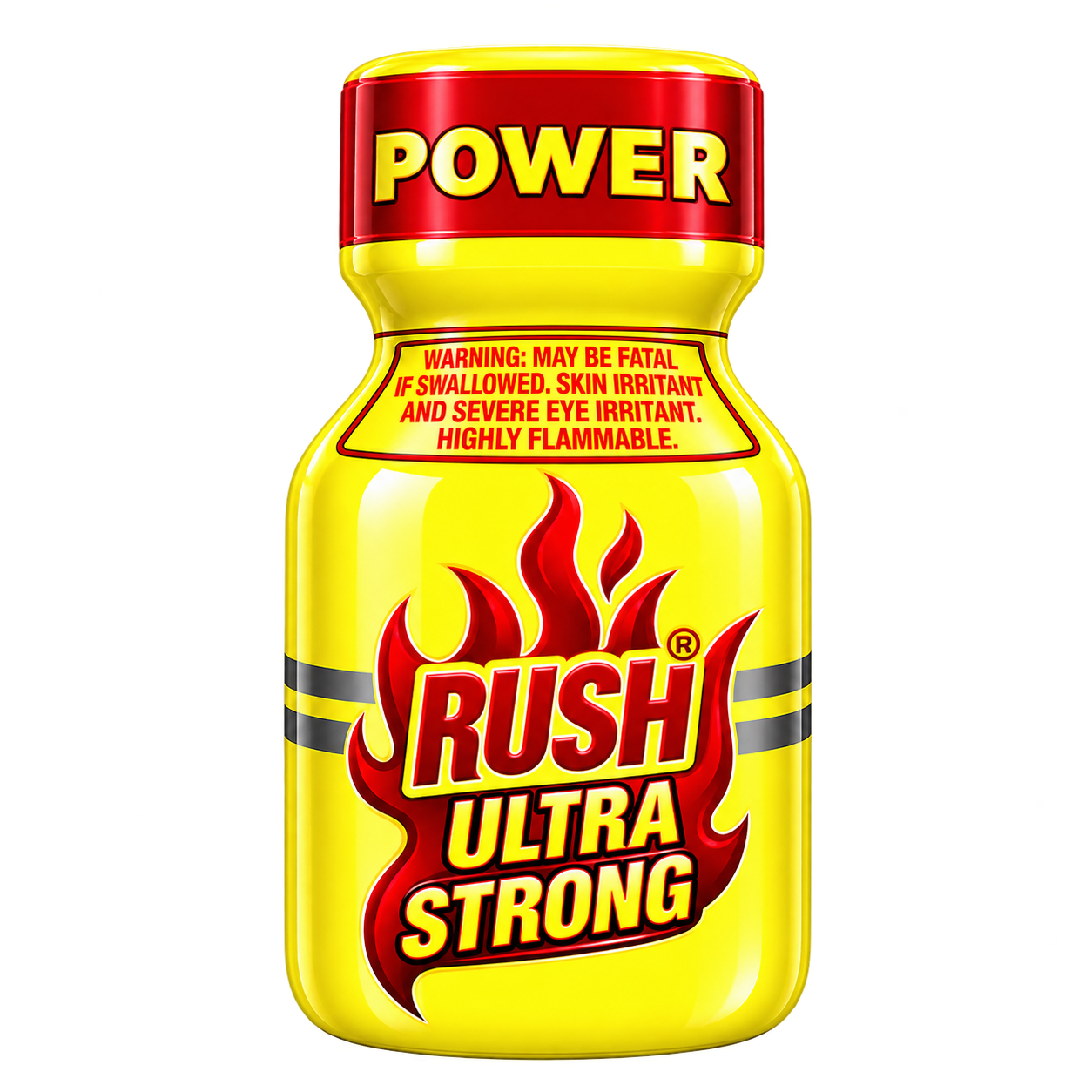
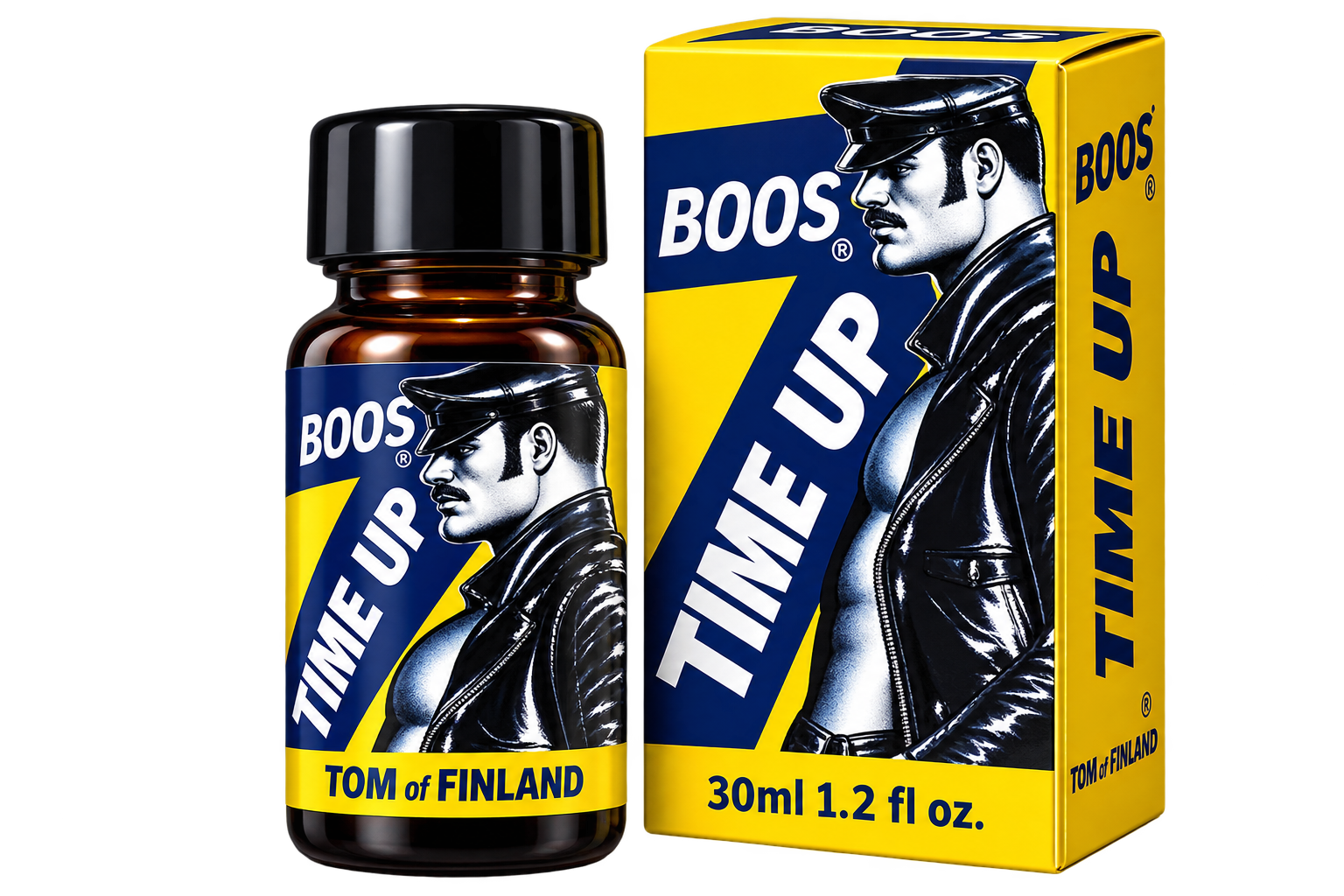
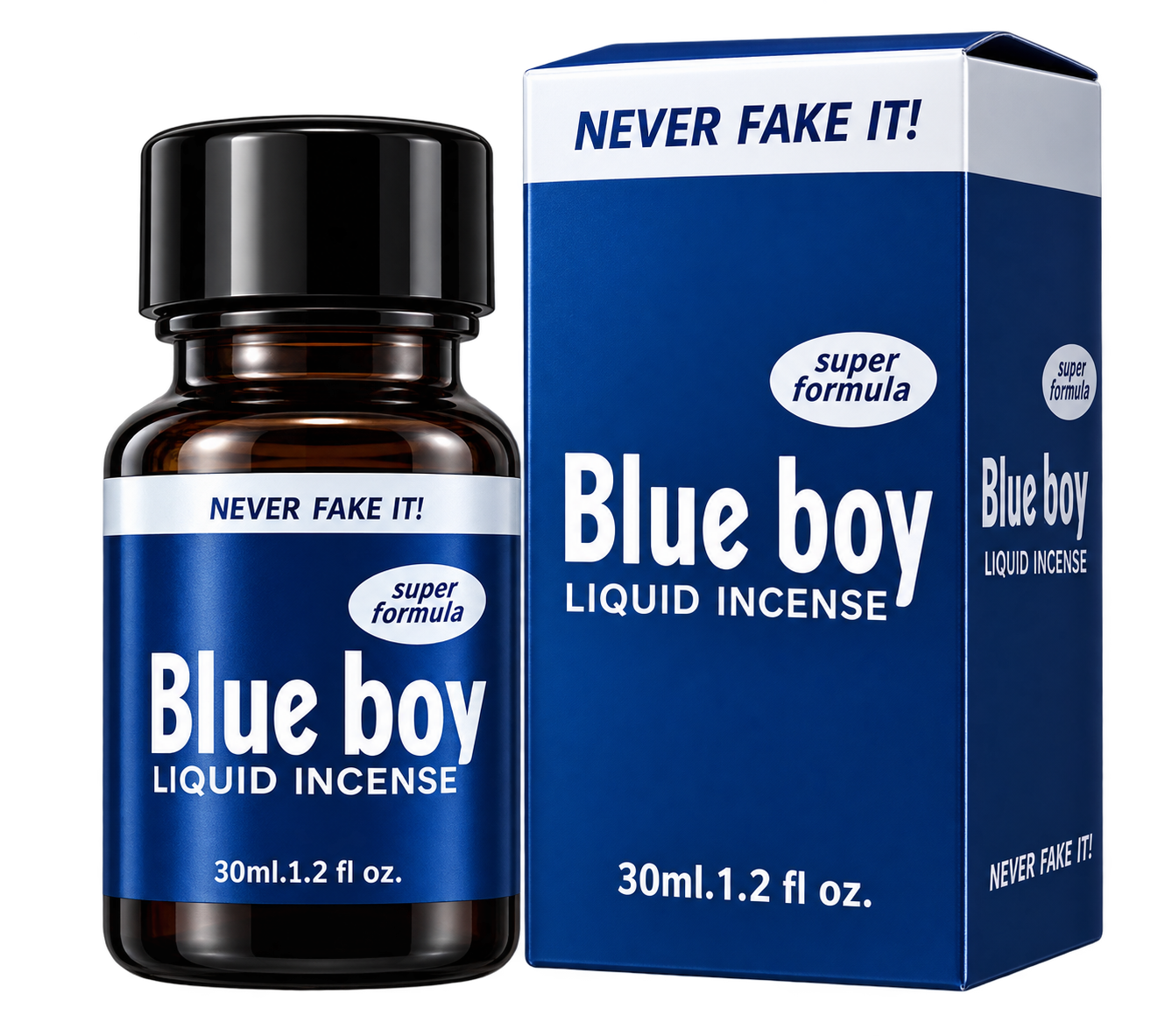
Can you take poppers home from Cambodia? Two separate reasons the answer is no
SOK
14 กันยายน 2569 · อ่าน 8 นาที
Visitors ask us this constantly, so here is the answer before the explanation: do not put a bottle of this in your luggage. Not in your hand luggage, not in your checked bag, not wrapped in a towel inside a shoe. There are two entirely separate reasons, either of which is enough on its own, and the first one has nothing to do with drug law at all.
The short answer
- Aviation rules forbid flammable liquids in both hand luggage and checked baggage. That rule alone settles it.
- Drug law changes completely at every border. What is sold openly on one side is a prescription medicine or a prohibited import on the other.
- A pressurised cabin and a hot cargo hold are exactly the conditions this liquid handles worst.
- Buy what you will use here, and leave the bottle here.
Reason one: it is a flammable liquid, and that is an aviation problem
This is the part people miss, because they are thinking about customs and drugs when the actual obstacle is fire safety. Alkyl nitrites are volatile, low-boiling solvents. That is a physical property, not a legal opinion, and aviation authorities regulate liquids by that property rather than by what the label on the front says. The US Federal Aviation Administration's guidance on paints and solvents states that flammable liquids of this kind are forbidden in carry-on and checked baggage, and the FAA's wider passenger guidance explains why in terms worth repeating: vibration, temperature swings and pressure changes at altitude are hard on containers that were never designed for them. A small bottle with a screw cap, in a hold that cycles between ground heat and cruising cold, is a container under stress. The rule is not bureaucratic caution. It is written from incident reports. Three practical consequences:
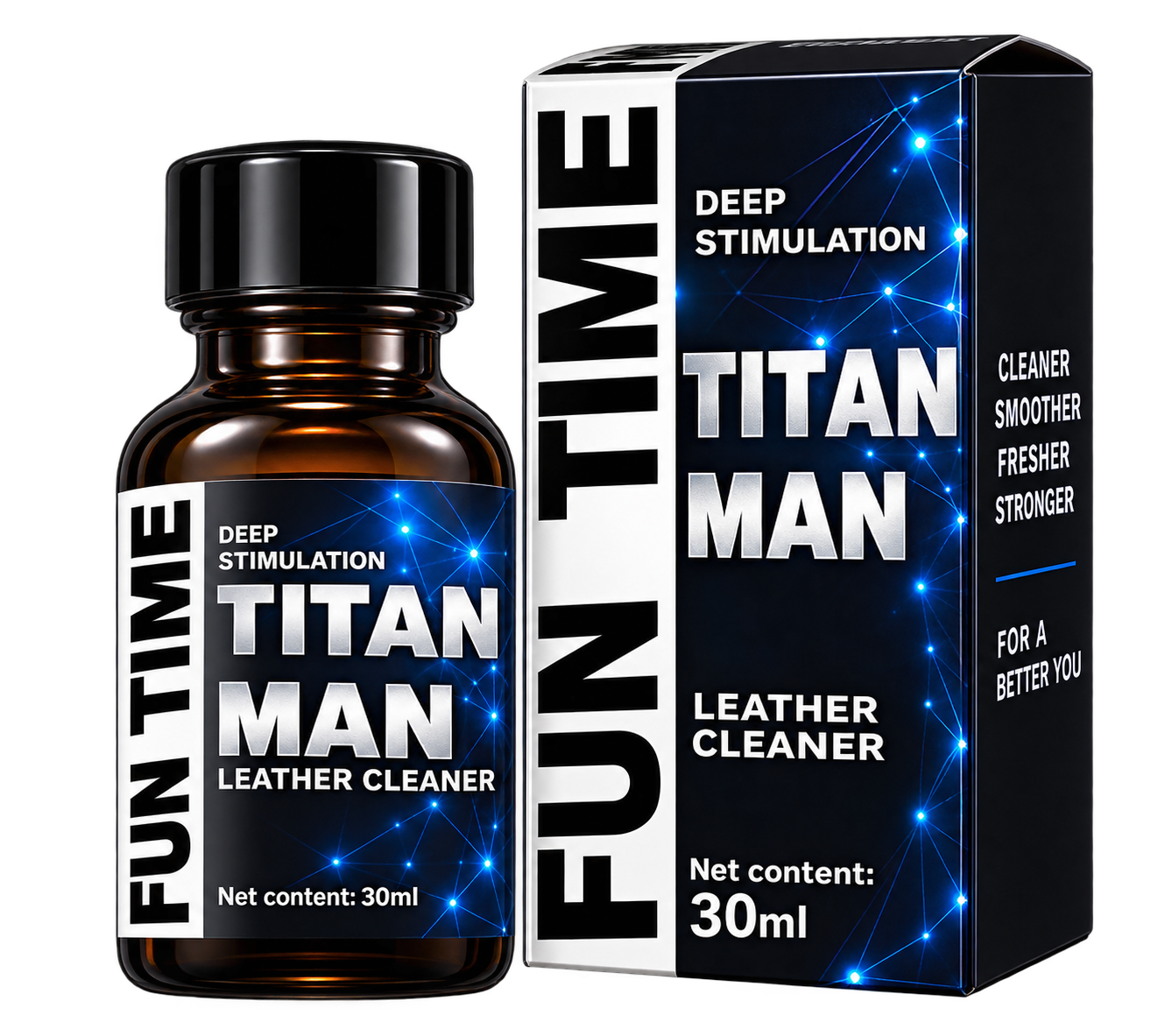
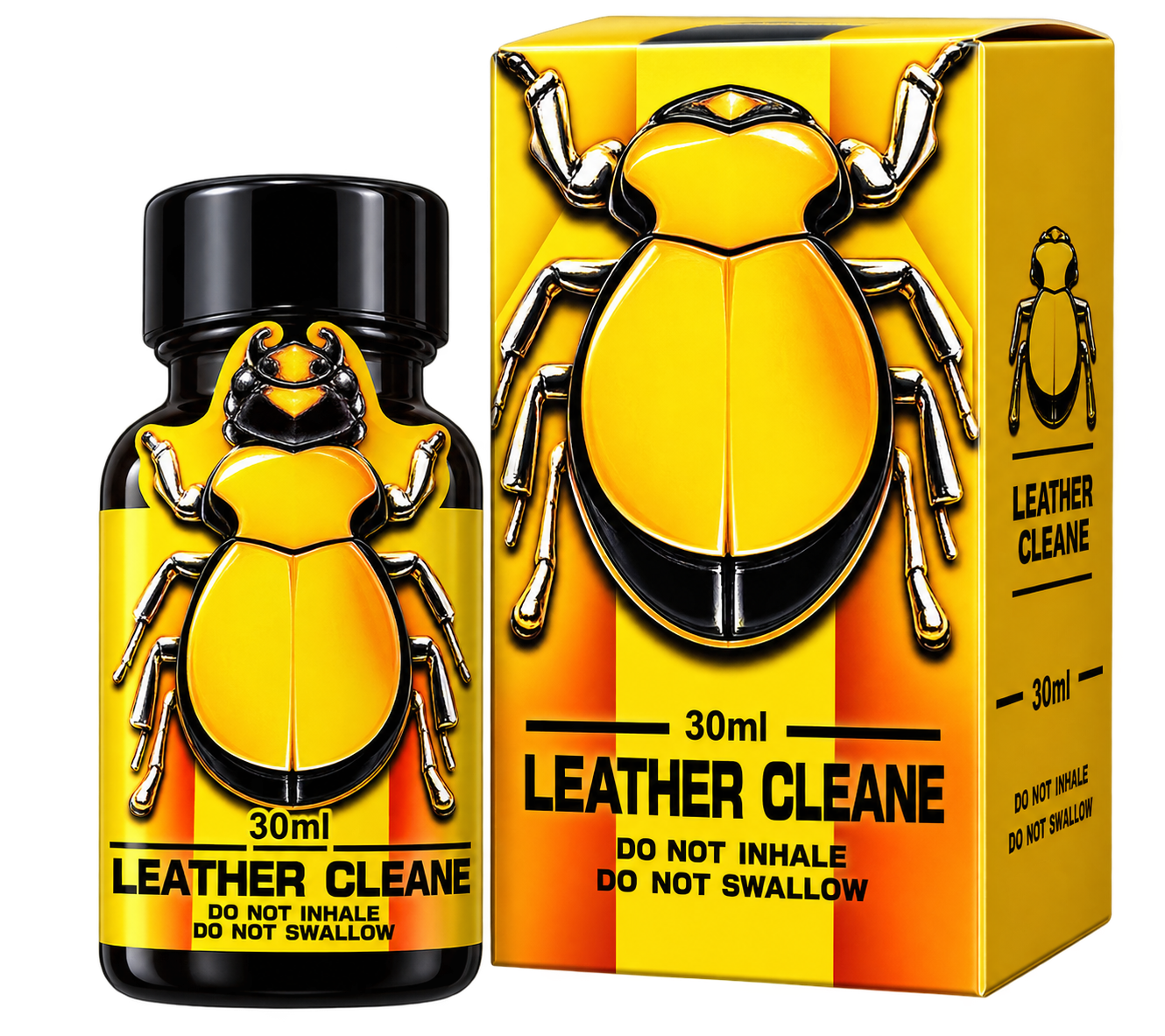
- It applies regardless of the labelling. "Room aroma" and "leather cleaner" are still flammable liquids.
- It applies to checked baggage too. Moving it out of your hand luggage does not solve anything.
- It applies to every airline, because it comes from dangerous goods rules rather than from any one carrier's policy.
What happens in practice is usually undramatic and always annoying: a screening officer removes it, and your holiday ends with a conversation you did not want to have in a queue.
Reason two: the law is genuinely different in every country
There is no international position on this product category. There are national positions, and they disagree with each other more than almost any other consumer product. A survey of that mess is set out in the California Law Review's study of the regulatory history of poppers, and the Royal Society of Chemistry's explainer on alkyl nitrites covers why the chemistry keeps outrunning the drafting: when one compound in the family is restricted, sellers move to the next one, and the law has to be rewritten again. The broad picture, which you should verify for your own country rather than take from a shop's website:
- **United Kingdom** — alkyl nitrites are not controlled drugs, and were specifically assessed as falling outside the scope of the Psychoactive Substances Act 2016. They are sold openly.
- **Australia** — regulated as a medicine. Some forms require a prescription and others are pharmacy-only. Importing by post is a customs matter, not a shopping decision.
- **Canada** — sale is prohibited, although possession is not criminalised in the same way.
- **European Union** — isobutyl nitrite specifically was prohibited on the basis of carcinogenicity, and national rules vary considerably on the rest.
- **United States** — sale for human consumption is prohibited under food and drug law, which is precisely why the bottles are labelled as cleaners and aromas.
Those five entries contradict each other in almost every respect, which is the actual point. There is no "generally allowed" to fall back on. And a further warning that applies particularly in this region: several countries near Cambodia impose severe penalties for the import of anything a customs officer decides to treat as a controlled substance, and an unlabelled or oddly labelled liquid in a tourist's bag is an invitation to have that decision made by somebody else. This is not a risk worth taking for a small bottle.
Land borders, and why they are not the loophole they look like
A great many of our customers reach Cambodia by road rather than by air, through Poipet in particular, and the obvious thought occurs to most of them: the aviation rule is about aircraft, so drive instead. The flammability rule does stop applying. The legal one does not, and it is the more serious of the two. Land crossings in this region involve baggage inspection, and the officer conducting it is making a judgement about an unfamiliar liquid in a bottle labelled as a cleaner. That judgement is not one you can argue with efficiently at a border post in a language you may not speak. The countries bordering Cambodia treat controlled substances with considerably more severity than most visitors expect, and the distance between "this is a room aroma" and a detention is a conversation you have no control over. There is a second problem specific to land borders: the journey is long, hot, and conducted in a vehicle rather than a pressurised cabin. A bottle in a bus luggage compartment crossing at midday is a bottle being cooked. Which is its own argument. The sensible version of the road trip is to buy on the side of the border where you intend to use it, and to arrive with nothing.
Post, courier and "just send it to me"
Every few weeks somebody asks us to post an order abroad, usually with the reasoning that a small bottle inside a larger parcel will not be noticed. We do not do this, and neither should anybody else, for reasons that are worth stating plainly:
- International postal and courier services apply the same dangerous goods rules as airlines, because the parcel travels by air. Declaring it honestly gets it refused; declaring it dishonestly is a customs offence.
- An intercepted parcel creates a record naming the recipient. The buyer carries that risk, at their home address, long after the shop has been paid.
- Customs in several destination countries treat this category as a prohibited import regardless of quantity.
Any website offering to ship this internationally is either ignorant of those rules or content to let the buyer absorb the consequences. The offer itself is the warning sign.
If you have already bought more than you will use
This happens, and the answer is unglamorous.
- Leave it with whoever you are staying with, if they want it.
- Otherwise dispose of it: cap tightened, into an outdoor bin, away from heat and away from anything that could ignite it.
- Do not pour it down a sink or a drain.
- Do not hand it to a stranger at an airport, and never carry anything for somebody else.
- Do not put it in a bag "just in case" and decide at the airport. The decision is easier made in a hotel room than in a queue.
The financial loss is a few dollars. Every alternative on that list costs more.
Why the journey itself ruins the product anyway
Even setting aside both rules, the trip is bad for the bottle. These liquids degrade with heat, light and exposure to air, and the aircraft hold is a cycle of exactly those stresses. A bottle that has spent nine hours being warmed and chilled and shaken is frequently a bottle that has leaked, and a leak inside luggage is an unpleasant discovery. The Poison Control literature records skin injuries caused by leaked liquid, which is a worse souvenir than an empty bottle. The same temperature problem exists on the ground here, which is why storing these products in Cambodia's climate is a separate subject with its own answers.
What to do instead
- Buy for the days you are here, and no more. This is not a product to stock up on.
- Leave an unfinished bottle behind. Dispose of it in a bin, tightly closed, away from anything hot.
- Never post it internationally. Postal services apply the same dangerous goods rules as airlines, and an intercepted parcel is a customs record with your name attached.
- Never carry it for somebody else, and never accept one from a stranger at an airport.
If you are visiting, the more useful reading is what is actually worth buying here and what customs at home will take off you, which is covered in what to know before you buy in Cambodia.
Buying here instead
Everything in this category we sell is for use in Cambodia, delivered within Cambodia. We do not ship this category internationally, we will not accept an order that asks us to, and any site that offers to post it to you across a border is offering to create a problem in your name. Before you buy anything here, the page that actually matters is the safety one — what never to mix, and what to do if something goes wrong — because one of the combinations described there is genuinely lethal and is common enough that we put it on its own page. If you are ready, the catalogue is at the shop, payment options are explained in paying in Cambodia, and delivery areas and timing are in the delivery guide.
คำถามที่พบบ่อย
- Can I put poppers in my checked luggage instead of my hand luggage?
- No. Flammable liquids of this kind are forbidden in both under aviation dangerous goods rules. Moving the bottle between bags does not change the classification, and the hold is the harder environment for the container.
- What happens if airport security finds a bottle?
- In most cases it is removed and disposed of, and you continue your journey. The outcome depends on the country and on what the officer decides the liquid is, which is the part you cannot control.
- Are poppers legal in Cambodia?
- They are sold openly here and we sell them legally. The question that matters for a visitor is not Cambodian law, it is the law where you are going next, and that varies enormously.
- Can you post an order to my country?
- No. We deliver within Cambodia only. Postal services apply the same dangerous goods rules as airlines, and an international parcel of this category creates a customs record in the recipient's name.
- Can I bring a bottle into Cambodia with me?
- The same aviation rule applies in that direction, so the bottle should not be in your luggage on the way in either. There is no reason to try — it is available here.
- I have an unopened bottle left at the end of my trip. What should I do with it?
- Leave it. Close it tightly and put it in a bin away from heat, or give it to whoever you are staying with. Do not carry it, post it, or ask somebody else to take it.
- Does the rule change if I drive or take a bus across the border instead of flying?
- The aviation rule stops applying, but the drug law question does not, and land crossings in this region involve baggage checks. The legal risk is the one that remains, and it is the more serious of the two.
// แท็ก