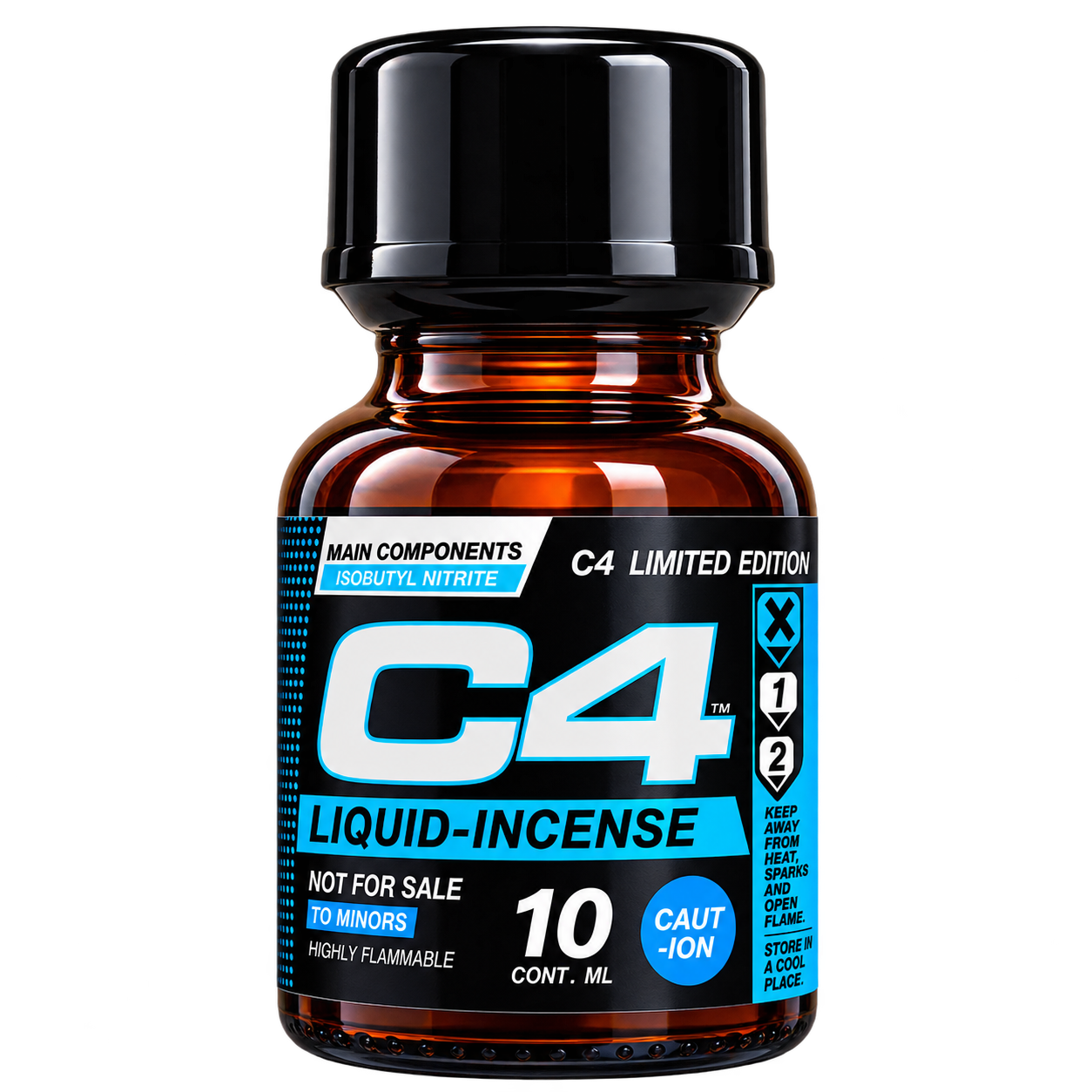
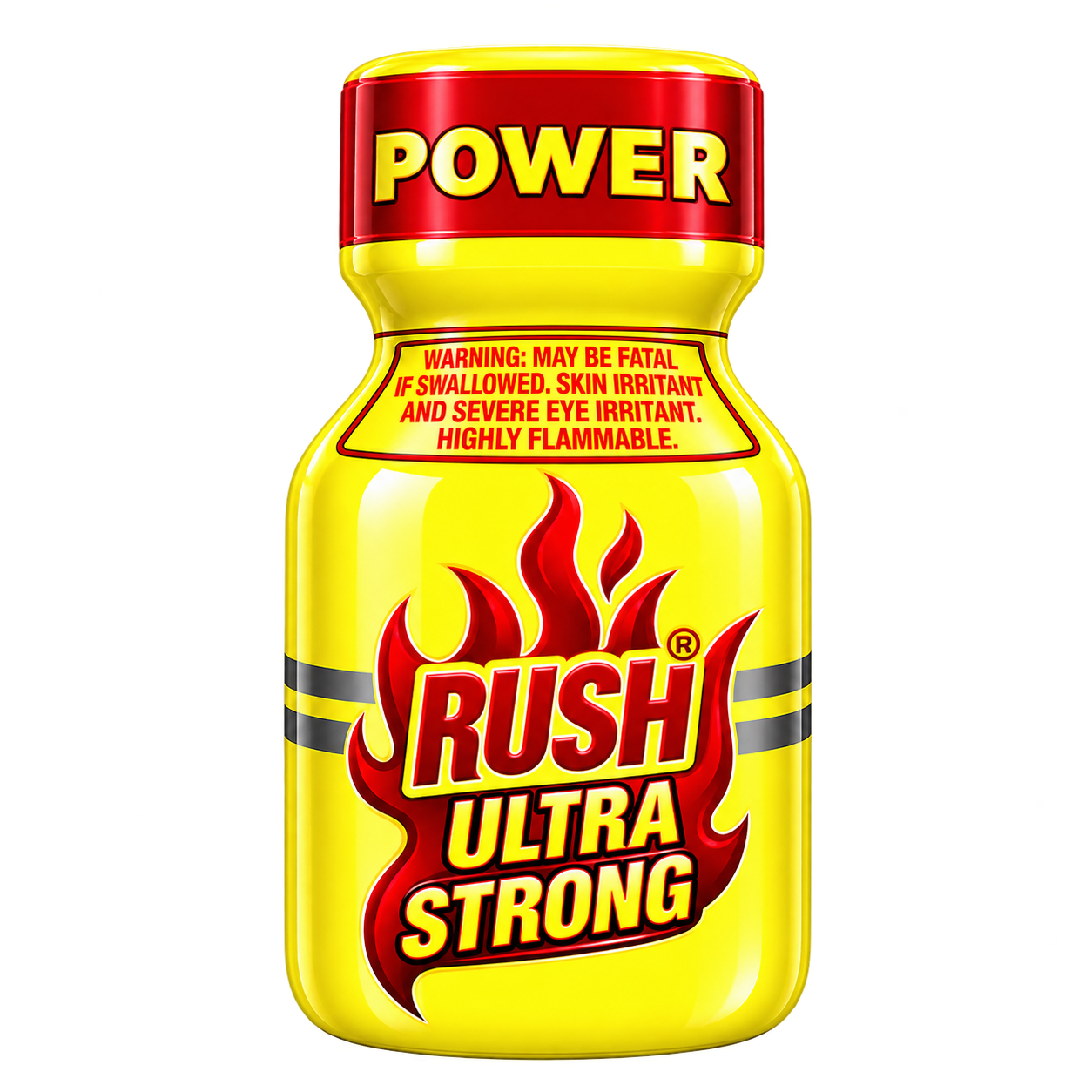
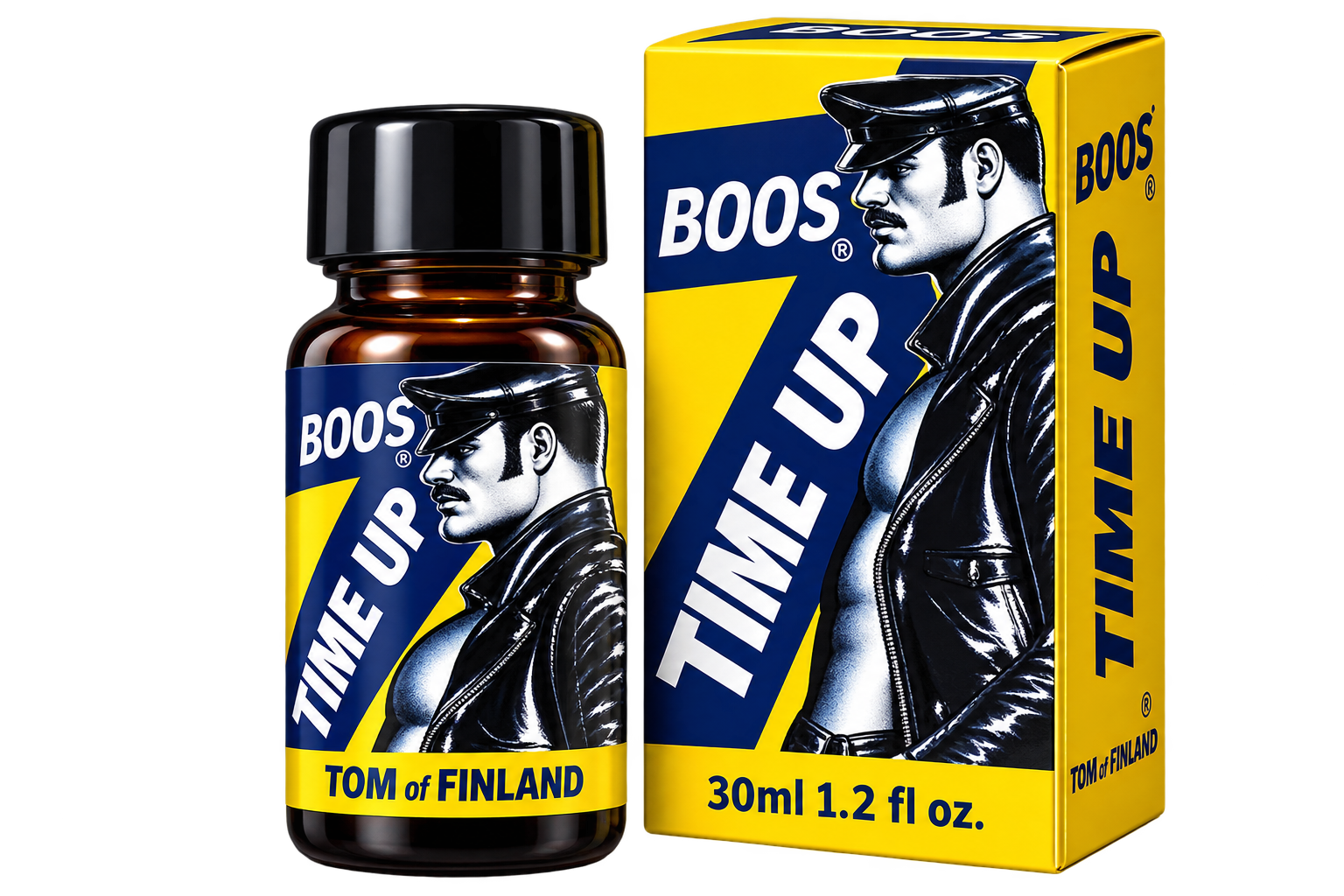
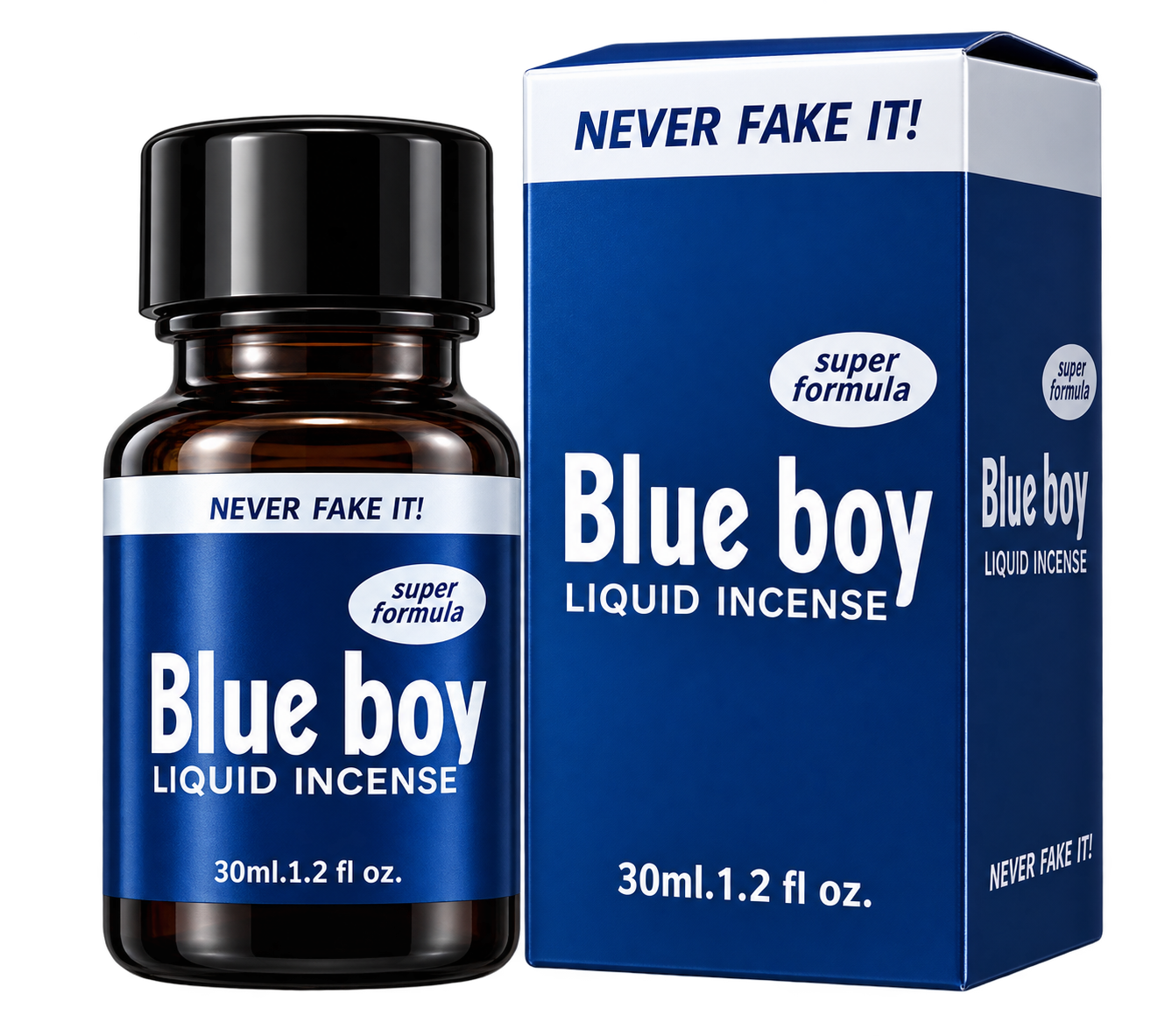
Storing poppers in 35°C heat: why the bottle in your bag is already past its flash point
SOK
14 September 2026 · 8 min read
Most storage advice for this product category was written in countries where room temperature means eighteen degrees. Cambodia's room temperature is thirty-two, a parked car reaches double that, and the humidity does its own damage. The advice needs rewriting for here, and the rewrite starts with one number that most people selling these products have never looked up.
The short answer
- The liquid gives off ignitable vapour at 3°C. In Cambodia it is always well above that — so an open bottle is always producing vapour that can catch.
- No flame, no cigarette, no cooking, in the same room as an open bottle. This is the rule that actually matters.
- Keep it sealed, upright, dark and as cool as you can manage — but never in a fridge that holds food or drink.
- Heat and air are what ruin it. A bottle that smells sharp and chemical rather than faintly sweet is finished.
- Never decant it into another container. That is how accidental swallowing happens.
The number that changes everything
Isoamyl nitrite — one of the common members of this family — has a flash point of **3°C** and a boiling point of **99.2°C**, according to the US National Library of Medicine's PubChem record for the compound. Flash point is the temperature at which a liquid gives off enough vapour to ignite in the presence of a spark or flame. Three degrees. Phnom Penh rarely drops below twenty-four degrees at night, and daytime shade temperature sits around thirty-two to thirty-five for most of the year. Which means that in Cambodia, an opened bottle of this is never below its flash point. Not in the morning, not in an air-conditioned room, not in the cold season. It is permanently in the state where its vapour will ignite if something lights it. In a European winter, "keep away from flame" is a precaution. Here it is the operating condition. The boiling point matters too. At 99°C this is a volatile liquid — it evaporates quickly whenever the cap is off, and faster in heat. That is why an opened bottle in this climate loses strength far sooner than the same bottle would in a cooler country, and why people here are often convinced they were sold a weak product when what actually happened is that it evaporated.
Where never to keep a bottle
- **In a car.** A closed vehicle in Cambodian sun reaches temperatures far above anything the container was designed for. This is the single worst place, and it is where people leave things.
- **On a windowsill, or anywhere sunlight lands.** Light degrades these compounds and heat accelerates it.
- **In a kitchen.** Gas burners, and a flammable vapour, in the same small room.
- **In a bathroom.** The humidity here is relentless, and a bathroom is the most humid room in the house.
- **Near a bed with anyone who smokes.** The combination that causes actual fires.
- **In a fridge with food and drink.** Cooler is genuinely better for the chemistry — but a small bottle among the drinks is how somebody eventually swallows one, and swallowing is the mistake that ends in hospital. The chemistry is not worth that risk. If you must refrigerate, use a container nobody else opens, clearly marked.
Where to keep it
A closed drawer or cupboard, in the coolest and darkest interior room you have, upright, with the cap fully tightened, in a small sealed bag or box that will contain a leak. That is the whole answer. Interior rooms in Cambodian houses are several degrees cooler than anywhere near a window, air conditioning helps if the room has it, and the sealed bag matters more than people think — the National Capital Poison Center records cases of rashes and wounds caused by the liquid leaking onto skin. A leak inside a bag is a cleaning job. A leak loose in a drawer is a burn waiting for whoever reaches in. Upright is not fussiness. These caps are not designed to hold liquid against gravity for weeks.
Humidity is the part nobody plans for
Heat gets all the attention because it is what you feel. Humidity does quieter damage, and Cambodia supplies a great deal of it — through the rainy season, the air sits above eighty percent for weeks at a time. Two things happen. Moisture reaching the liquid accelerates the breakdown of these compounds, which is why a cap that is merely "on" is not the same as a cap that is tightened. And moisture in the air corrodes the metal parts of caps and seals, which is how a bottle that was closed properly becomes a bottle that leaks. Practical responses, none of which cost anything:
- Tighten the cap fully every time, not most times.
- Keep the bottle inside a second sealed container — a zip bag or a screw-top box. This is the single most effective storage step available, and it handles leaks and humidity at once.
- Add a silica gel sachet to that container if you have one. The ones that come packed with shoes and electronics work.
- Check the cap and neck for corrosion every few weeks, particularly through the rainy season.
- Never store in a bathroom, which is where humidity in a Cambodian house is worst.
The first day after you buy
Most of the damage a bottle suffers happens before anybody thinks of it as "storage" — in the hours between the shop and the shelf.
- Do not leave it in a motorbike box or a car while you carry on with the day. A closed compartment in the sun is the hottest place the bottle will ever visit.
- Do not leave it in a bag by a window at a café.
- Get it into a cool interior room and into its sealed container the same day.
- Write the date you opened it somewhere on the bottle or the bag. In a climate that shortens shelf life this much, the opening date tells you more than the printed expiry does.
If the delivery arrives while you are out, bring it inside as soon as you can rather than leaving it at a gate in the afternoon sun.
Disposing of a bottle properly
Eventually every bottle is finished or spoiled, and this is the step people improvise badly.
- Keep the cap tightly closed. An open bottle in a bin is a vapour source.
- Put it in an outdoor bin, away from heat, sunlight and anything that could ignite it.
- Never pour it down a sink, a toilet or a drain.
- Never burn it or put it near anything burning.
- Never put it in a recycling collection, where somebody will handle it by hand.
If a bottle has leaked inside its container, wash the container out with plenty of water before reusing it, and wash your hands — the liquid is documented as causing skin injury.
How to tell a bottle has gone off
The chemistry here is genuinely unstable, which is the subject of the Royal Society of Chemistry's explainer on alkyl nitrites — these compounds break down on exposure to heat, light, air and moisture, and the breakdown products are not the thing you bought. Signs a bottle is past it:
- A sharp, acrid, chemical smell replacing the original faint sweetness.
- Visible discolouration, or the liquid turning cloudy.
- A noticeably lower level in a bottle that has not been used much — that is evaporation, and what evaporates first is not what is left behind.
- Any corrosion around the cap or the neck.
A degraded bottle is not a weaker version of a fresh one. Throw it away, closed, in an outdoor bin away from heat.
Buying habits that suit this climate
The practical conclusion is that the small bottle is usually the better purchase here, even though the larger one looks like better value on the shelf.
- Buy the size you will finish in weeks, not months.
- Keep the cap on except when in use. Every minute open in this heat costs product.
- Do not buy several bottles to store. Storage is the problem this climate creates, and the way to avoid it is to not have a stockpile.
- Do not buy from a shop that keeps stock in a display case in the sun. What is on the shelf has already had the heat treatment.
We hold stock indoors and out of light for the same reason we wrote this page.
Before you buy anything in this category
Storage is the boring risk. The serious one is chemical interaction, and it has its own page: what never to mix, and what to do if something goes wrong. One of the combinations described there has caused deaths, and it involves a medicine that is sold over the counter all over this region. If you are visiting rather than living here, the other thing worth reading first is why a bottle cannot go home with you — the reason is aviation fire rules, and it follows directly from the flash point at the top of this page. The catalogue is at the shop, and delivery timing across the country is in the delivery guide.
Common questions
- Can I keep poppers in the fridge?
- The cold genuinely helps the chemistry, but not in a fridge that holds food or drink. A small bottle among the drinks is how accidental swallowing happens, and swallowing can cause a life-threatening drop in blood oxygen. If you refrigerate, use a sealed container nobody else opens.
- How long does an opened bottle last in Cambodia?
- Far less time than in a cool country. These compounds are volatile and degrade with heat, light, air and humidity, and Cambodia supplies all four. Buy a size you will finish in weeks rather than months.
- Why does my bottle smell sharp and chemical now?
- That is the smell of degradation rather than the product. Combined with discolouration or cloudiness it means the bottle is finished. Dispose of it closed, in an outdoor bin away from heat.
- Is it dangerous to keep a bottle in my bag?
- In a bag that stays indoors and out of the sun, no. In a bag left in a car, motorbike box or direct sunlight, yes — heat stresses the container, and a leak can burn skin.
- Why does it matter that the flash point is 3°C?
- Because it means the vapour can ignite at any temperature you will ever experience in Cambodia. Keeping an open bottle away from flames, cigarettes and cooking is not a cold-country precaution here, it is the permanent condition.
- Can I move it into a smaller bottle to carry?
- No. Decanting removes the label, puts the liquid in a container not designed for it, and creates exactly the unlabelled bottle that somebody later mistakes for a drink.
- Does the big bottle last longer than the small one?
- Not in this climate, if you are opening it repeatedly over months. Evaporation and air exposure are what finish a bottle here, so a size you use up quickly usually delivers more of what you paid for.
// Tags