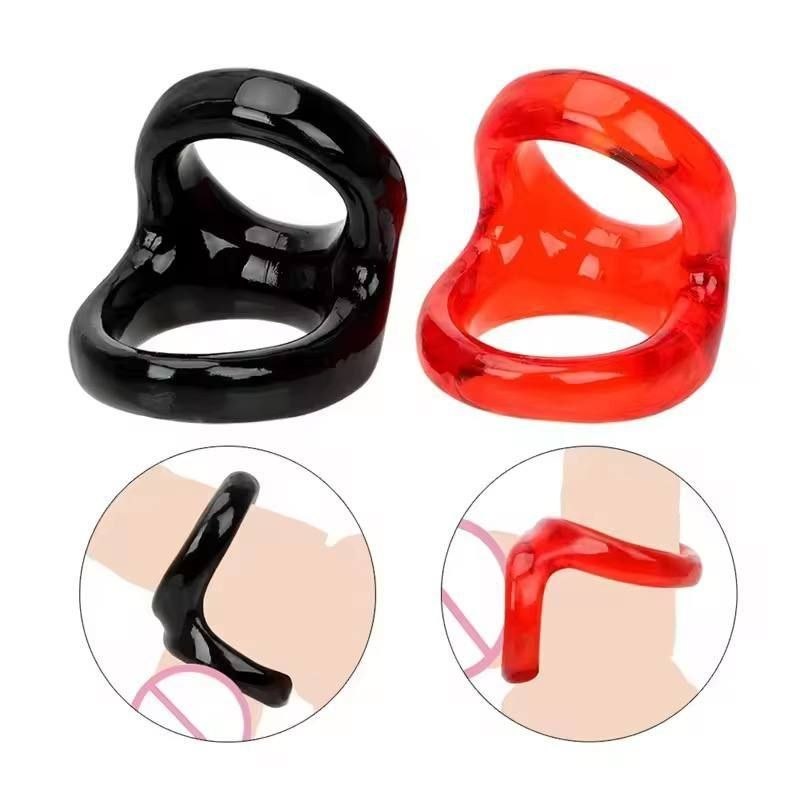
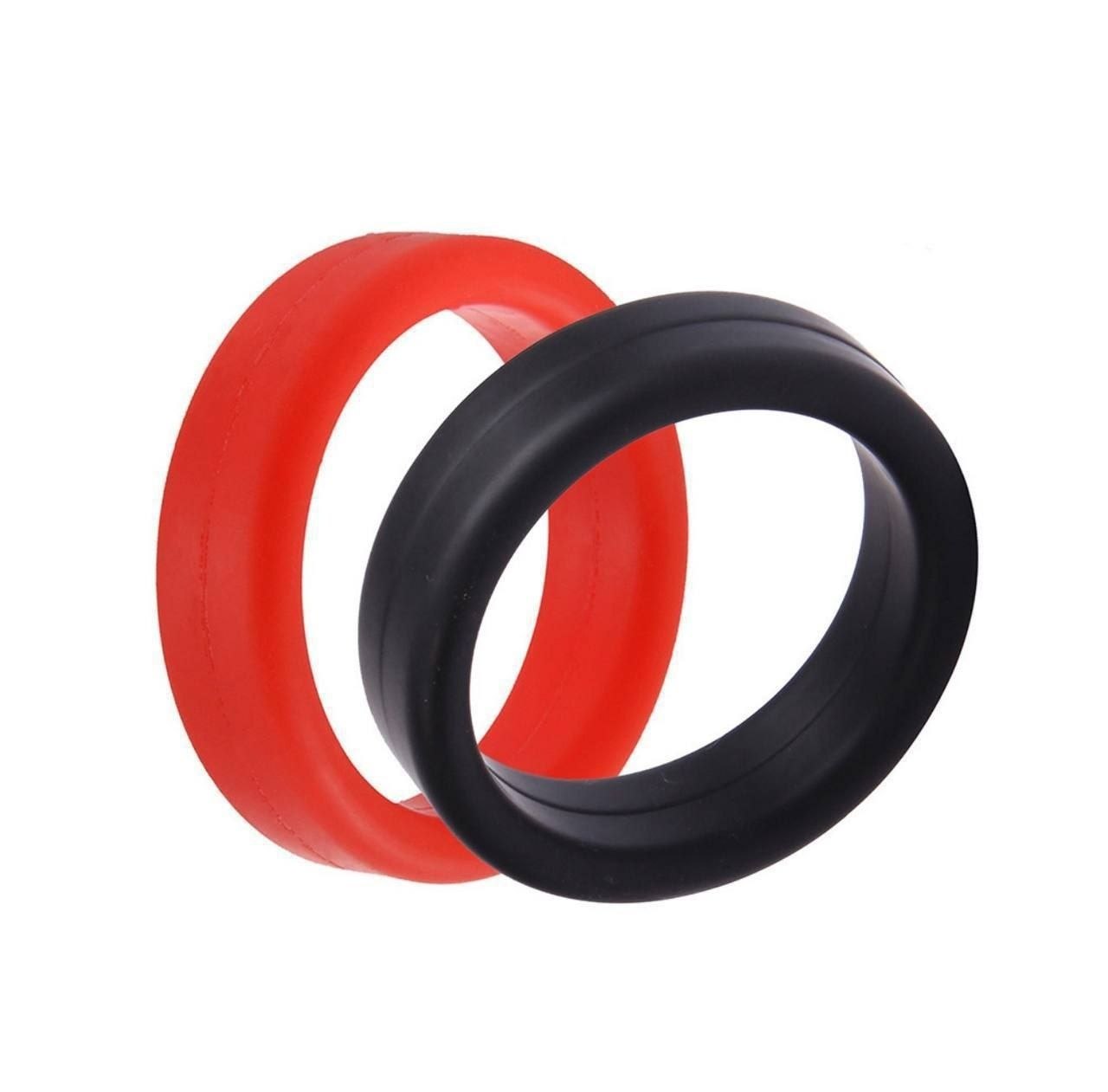
The 30-minute rule: choosing a ring size, and why silicone beats metal
SOK
14 September 2026 · 8 min read
There is a substantial medical literature on this product category, and it is not a comfortable read. Urology journals publish case reports of ring entrapment regularly enough that reviews have been written summarising them. What stands out on reading those reviews is not that rings are used — it is what the rings in those cases were made of, and how long they had been on. Both details are avoidable, and both are decided before anything is worn.
The short answer
- Thirty minutes is the limit named throughout the clinical literature. Do not exceed it.
- Never fall asleep wearing one. This is how the serious cases begin.
- Silicone, not metal. Silicone can be cut off with scissors; metal needs a hospital and power tools.
- Correct size means snug, not tight. If it is hard to put on, it is the wrong size.
- Colour change, numbness, coldness or increasing pain means remove it immediately.
- If it cannot be removed, go to a hospital straight away. Waiting makes the outcome permanently worse.
What the case literature actually shows
A review of penile and scrotal strangulation due to metal rings gathers case reports and the outcomes that followed them. The pattern running through it: prolonged constriction causes swelling, the swelling makes removal harder, and the harder removal becomes the longer the constriction lasts. It is a loop that tightens on itself, and it is the reason a situation that was fine at twenty minutes is an emergency at three hours. The clinical descriptions escalate in a predictable order — oedema first, then impaired blood supply, then tissue damage, and in the worst cases documented, loss of tissue. Reports also note that injuries left beyond 48 to 72 hours carry a markedly higher risk of lasting damage to sexual and urinary function. A case report on the emergency management of severe swelling from prolonged metallic ring entrapment illustrates the practical problem that makes metal so much worse: the rigidity that makes a metal ring appealing is exactly what defeats the tools an emergency department has to hand. Removal can require industrial cutting equipment, brought in, used on a patient who by then has been waiting a long time. Almost none of this is necessary. It follows from two decisions.
Decision one: material
Silicone is cuttable. That is the entire argument, and it is enough on its own. If a silicone ring needs to come off and will not slide, it can be cut with a pair of scissors in the room you are standing in. The situation ends in thirty seconds and costs the price of the ring. The same situation with a solid metal ring is an ambulance, a hospital, and in the published cases, occasionally a specialist workshop. Everything else — comfort, grip, the fact that silicone has some give as tissue swells rather than none — is secondary to being able to end the problem yourself. What not to use, under any circumstances: nuts, washers, bearings, bottle necks, or jewellery rings. These are the objects in the case reports. They are rigid, they were never sized for this, and they are the reason the literature exists. Both rings we sell are silicone, which is the only reason we are comfortable selling this category at all.
Decision two: size
A ring should feel snug and stay in place. It should not feel tight, and it should never require effort or force to get on. The test that matters is at the other end: it should come off easily when not erect. If it does not come off easily in a calm moment, it will not come off in an urgent one. Practical guidance:
- Size up if you are between sizes. A slightly loose ring does its job. A slightly tight one is the problem this whole page is about.
- Measure when flaccid, and choose for that measurement.
- A ring that leaves a deep mark after wearing is too small, regardless of how it felt going on.
- A double ring distributes pressure across two contact points rather than one, which is generally gentler — but it is not permission to wear one longer.
- Water-based lubricant makes both putting on and taking off easier. Silicone lubricant on a silicone ring degrades the ring over time, which is covered in choosing the right lubricant.
The time limit, and why it is not negotiable
Thirty minutes is the figure the clinical sources return to, and the reasoning behind it is straightforward: constriction restricts the return of blood, tissue swells, and the swelling itself worsens the constriction. Thirty minutes is where that process stops being self-limiting. Rules that follow from it:
- Set a timer. Not a mental note — an actual timer. This is the single most useful sentence on this page.
- Never wear one asleep. Alcohol and anything that dulls sensation make this worse, because the warning signs are sensations.
- Never wear one twice in quick succession to reset the clock. Give tissue time to recover fully.
- Remove earlier if anything feels wrong. Nothing is lost by taking it off.
Who should avoid this category entirely
Some conditions change the risk enough that the thirty-minute rule is not sufficient protection, mostly because they interfere with either healing or the warning signs themselves.
- **Anticoagulants, or a bleeding disorder.** Bruising and bleeding under the skin are harder to control and slower to resolve.
- **Diabetes with any nerve involvement.** Reduced sensation means the warning signs described below may simply not be felt, which removes the main safeguard.
- **Any circulatory condition, or a history of blood clots.**
- **Peyronie's disease or existing penile scarring.**
- **Numbness or reduced sensation from any cause**, including alcohol or anything sedating.
The common thread is sensation. Every safeguard on this page depends on feeling something change and acting on it. Anything that dulls that feedback removes the safety system while leaving the risk in place.
Using one for the first time
The first time is where the size question actually gets answered, and it is worth treating as a test rather than an occasion.
- Try the ring on before any other context — alone, calm, unhurried.
- Confirm it comes off easily while flaccid. If it does not, it is the wrong size, and nothing else about it matters.
- Wear it for five minutes rather than thirty, and see how the skin looks afterwards. A faint temporary mark is normal; a deep indentation is not.
- Have scissors in the room. Not because anything is likely to go wrong, but because the moment you would want them is not the moment to go looking.
Cleaning and replacing
Silicone is easy to care for and does have a lifespan.
- Wash with mild soap and warm water before and after every use, and dry fully. Humidity here does not let anything air-dry as fast as you would expect.
- Do not boil or use a dishwasher unless the product explicitly allows it — heat can change the flexibility of the silicone, and flexibility is the safety feature.
- Store it dry, in a bag or box, out of direct sunlight.
- Keep it away from silicone lubricant, which degrades the surface.
- Replace it when the surface becomes tacky, sticky, cracked or discoloured, or when it has visibly stretched. A stretched ring no longer fits the size you chose, and a perished one can tear unpredictably.
None of these are expensive items. Replacing one early costs less than any of the alternatives discussed on this page.
Warning signs, in the order they appear
Remove immediately at any of these: 1. Colour change — dark red, purple, blue, or unusually pale. 2. Numbness, tingling or loss of sensation. 3. Coldness to the touch. 4. Pain that is increasing rather than steady. 5. Swelling that continues after removal, or does not settle. The first four mean take it off now. The fifth means seek medical advice even though the ring is already off.
If it will not come off
Act immediately rather than waiting to see whether it improves. It does not improve.
- Try to remove it while calm and cool. Heat and panic both increase swelling.
- Cold water or a cold pack can reduce swelling enough to allow removal.
- Plenty of water-based lubricant.
- If it is silicone and still will not come off: cut it. Slide a blunt-ended scissor blade under the ring, away from skin, and cut. This is what silicone is for.
- If it cannot be cut or removed: hospital, now. Not in the morning. Emergency departments deal with this and the staff are not interested in embarrassment — they are interested in how long it has been on, so tell them honestly, because the answer changes their treatment.
In Siem Reap and Poipet, an emergency department is the right destination; 119 reaches an ambulance nationally, though a taxi is often faster in practice. Embarrassment is the reason people wait, and waiting is the single factor that turns a recoverable situation into a permanent injury. Every hour matters more than the last.
Elsewhere on this site
Our rings are at the shop, lubricant compatibility is covered in the lubricant guide, how to pay is in paying in Cambodia, and delivery areas and timing are in the delivery guide.
Common questions
- How long can a ring safely be worn?
- Thirty minutes is the limit named consistently in the clinical literature. Beyond that, restricted blood flow causes swelling, and swelling makes removal progressively harder. Use a timer rather than judgement.
- Is silicone safer than metal?
- Materially, yes — because silicone can be cut off with scissors if it will not slide. Metal rings dominate the published emergency cases precisely because their rigidity defeats ordinary removal, sometimes requiring industrial cutting tools in a hospital.
- How do I choose the right size?
- Snug, never tight, and easy to remove when not erect. Measure while flaccid, size up if you are between sizes, and treat a deep mark left after wearing as evidence the ring is too small.
- What if it will not come off?
- Stay calm, apply cold to reduce swelling, use plenty of water-based lubricant, and if it is silicone, cut it off with blunt-ended scissors. If it still cannot be removed, go to a hospital immediately — delay is what causes lasting damage.
- Can I sleep wearing one?
- No. This is how the most serious cases in the literature begin. The warning signs are sensations, and asleep you cannot feel them.
- What are the warning signs I should stop?
- Colour change to dark red, purple, blue or unusual pallor; numbness or tingling; coldness; and pain that is increasing. Any one of these means remove it immediately.
- Can I use silicone lubricant with a silicone ring?
- No. Silicone lubricant degrades silicone over time. Use water-based, which also makes removal easier.
- Is a double ring safer than a single one?
- It spreads pressure over two contact points rather than one, which is generally more comfortable, but it does not extend the time limit. Thirty minutes applies either way.
// Tags